
Below covers what you need to know before you book.
Choosing the Right Canyoning Trip
Canyons come in many shapes and sizes. What makes one harder than another comes down to three things:
-
How tall and exposed the rappels are,
-
How much cold or moving water is involved, and
-
How long and physical the day is.
A canyon can be gentle in one of these and harder in another, so our trips fall into two levels that capture the overall experience:
Level 1 — Easy to Moderate 3–5 hours, rappels up to 20 m (65 ft), calm pools, and optional jumps up to 3 m. A great fit for first-timers, families, and anyone comfortable around water. New to canyoning? This is exactly where to start.
Level 2 — Moderate to Challenging 5–7 hours, rappels up to 30 m (100 ft), longer swims, stronger water, optional jumps up to 5 m, and more technical, committed terrain. Best for guests with some outdoor experience and good general fitness. Got some adventures under your belt and want a bigger day? Level 2 will deliver.
Conditions always factor in. Water level, weather, and season can push a Level 1 toward Level 2 territory — which is why we check conditions every operating day and adjust if needed.
Still not sure? Reach out and we'll help you pick.


Why We Don't Name the Canyons
You may have noticed notice tell you the region and describe the canyon — but we don't publish specific creek or canyon locations. Here's why.
Land Access: Some canyons sit on private property; others depend on relationships with landowners, land managers, or local First Nations. Publishing locations invites unguided traffic those agreements weren't built for — and puts access we've worked hard to earn at risk.
Safety: Canyoning is a technical sport. The same descent that makes a great guided day is genuinely dangerous without proper gear, training, and group safety systems. Water levels can change in hours, and once you're committed, there's no easy way out.
Environmental Impact: Canyon creeks are some of the most sensitive ecosystems on the coast — narrow corridors, fragile pools, salmon-bearing waters, slow-recovering vegetation. Heavy unguided traffic causes real damage. Keeping locations quiet helps keep them healthy.
Best Day for Your Group: We choose the canyon based on water level, weather, group size, and skill mix — not the other way around. Locking in a specific location up front means locking in a plan that might not be the right call on the morning.
Curious about a specific area? Just ask — we love talking about these places. We'll will make the call based on conditions and your group, but we're happy to share what we can.
Is This For Me?
Most reasonably fit adults and youth can do this. The honest questions to ask yourself:
-
Am I comfortable putting my face fully under cold water without panicking?
-
Can I float, swim a few strokes, and stay calm in moving water?
-
Am I okay with heights and exposure, with a rope between me and the ground?
-
Can I handle a 15–60 minute approach hike and several hours on uneven terrain?
You don't need climbing experience. You do need a body and a mindset that can meet the day. If you're unsure, reach out — an honest conversation in advance always beats a difficult moment in the canyon.
What We Provide
All technical gear is included: 5 mm wetsuit (farmer-john and jacket with hood), 3 mm neoprene socks, canyoning shoes, harness with cow's tails and descender, helmet, gloves, dry bags, ropes, group safety equipment, first aid, communications, and hot drinks.
What to Bring
-
Swimwear (worn from home, under your wetsuit)
-
Base layer shirt — synthetic, merino wool, or a surf-style rashguard
-
Lunch
-
1–2 L of water in a sealed plastic bottle
-
Towel
-
Dry change of clothes for after
-
Any personal medications (in a waterproof container)
-
Spare contact lenses/glasses if needed

Your Day at a Glance

Meeting Point: Your day starts at our designated meeting point — address and directions sent a few days before your trip. Aim to arrive ten minutes early so we can greet you, review your waiver and medical form, and confirm anything that's changed since you booked (recent injuries, medications, or anything else your guide should know).


Briefing: You'll meet your guides and the rest of the group, then walk through the day's plan and the safety briefing — canyon-specific hazards, how we manage them.

Gear & Sizing: We fit your personal equipment: wetsuit, helmet, harness, canyoning shoes and gloves. Everything is sized to fit — speak up if anything feels off and we'll adjust before you set foot in the water.

Drive to the Trailhead: From the meeting point, we drive a short distance to the trailhead. Depending on the group size and the canyon, we'll either share a minibus or carpool in our own vehicles — your guide will let you know on the day.

Approach: Hike From the trailhead, we hike to the canyon entrance — typically 15 to 60 minutes through forest with some elevation. A chance to warm up and settle into your gear.

Skills Practice: A short hands-on practice before the descent: dry rappelling to dial in your braking and body position, the communication signals you'll use throughout (whistle blasts, hand signs, rope commands), and how to move safely on wet rock. By the time you're at the first real drop, everything already feels familiar.

The Descent: The main event — walking, scrambling, swimming, jumping (always optional), and rappelling, guided every step of the way. Midway through, we stop in a dry spot for a snack or lunch and a complimentary hot drink (coffee, tea, hot chocolate, or soup) before continuing the descent.

Egress Hike: A hike out of the canyon to our shuttle vehicle waiting at the exit trailhead. The walk warms you back up after the cold water and gives the day a natural close.

Gear Down & Cleaning: At the vehicle, you change into dry clothes while we rinse and sanitize the gear — both for freshness and to prevent invasive species from moving between watersheds.

End of Day Debrief & Farewell: A few minutes together to reflect on the day — highlights, anything that surprised you, and any feedback for us. Then we say goodbye, and you head home with a great story.
Safety and Risk Management

Adventure With Responsibility
The word risk comes from the Italian risicare— “to dare.” At West Coast Canyoning Adventures (WCCA), we embrace that spirit with skill, experience, and care.
Canyoning is a real adventure—rappelling waterfalls, swimming through swift currents, and exploring rugged terrain. It’s also a dynamic outdoor sport where risks are real. While no outdoor activity is risk-free, we are committed to the highest safety standards in the industry.
Because the greatest adventures are built on smart decisions and solid preparation.
Your Safety, Our Priority
Here’s how we manage risk on every trip:
Certified Professional Guides
All WCCA guides are certified by Canyon Guides International (CGI) and trained in:
-
Wilderness First Responder (80+ hrs)
-
Swiftwater Rescue (Level 3+)
-
Advanced Rope Rescue
-
Leave No Trace principles
They also complete regular in-house training and performance reviews.
Top-Tier Gear
We provide all essential safety gear:
-
Wetsuits, helmets, harnesses
-
Specialized canyoning shoes
-
Technical rigging equipment
Preparation for the Unexpected
Each trip includes:
-
Safety orientation and gear check
-
A canyon-specific risk management plan
-
Guides equipped with:
-
First aid kits
-
Satellite communication devices
-
Custom evacuation plans
-


Understanding the Risks
Canyoning involves navigating natural hazards. Here’s how we mitigate key risks:
Hazard: Swiftwater currents
How We Manage It: We monitor flow rates daily and reroute or cancel if needed. PFDs provided when appropriate.
Hazard: Falls and slips
How We Manage It: Specialized footwear and coaching on safe movement.
Hazard: Rockfall
How We Manage It: Helmets for all guests; we avoid loose terrain and manage route safety.
Hazard: Hypothermia
How We Manage It: BC rivers are cold even on the hottest summer days. Full wetsuits are provided, and guides pace the group to prevent overexposure.
Hazard: Cliff jumps & rappels
How We Manage It: Jumps are always optional. Rappels are fully guided with assisted options available.
Hazard: Remote locations
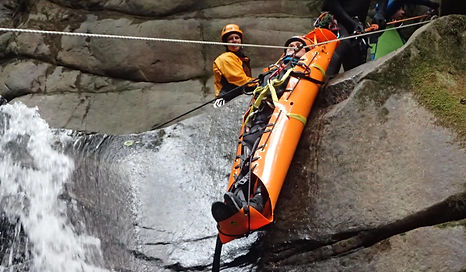
How We Manage It: Guides are trained for wilderness response and carry all essential rescue equipment.
What You Can Do to Stay Safe
You’re part of the team too! Help us keep things safe by:
-
Wearing all provided gear correctly
-
Disclosing health conditions in advance
-
Following your guide’s instructions
-
Getting a good night’s sleep and eating well before your trip
-
Avoiding drugs or alcohol before and during the activity

Respect for the Land We Love
We’re passionate about protecting the wild places we explore. Our sustainability practices include:
-
Teaching and following Leave No Trace
-
Avoiding sensitive ecosystems
-
Sanitizing gear to prevent invasive species
-
Packing out all waste
We’re proud partners of Birds Canada, helping protect species like the endangered Black Swift.
Learn more: Sustainability at WCCA
Waiver and Booking Process
All guests must complete our Waiver and Release Agreement before participating. It includes:
-
A release of liability and risk acknowledgment
-
Medical and emergency contact information
-
Equipment sizing details
How it works:
-
Once booked, the trip organizer provides names and contact info of all participants.
-
Each guest receives a digital waiver to complete before the trip is confirmed.
-
On trip day, you'll sign a printed copy in person, witnessed by your guide.
Note: Trips will not proceed unless all waivers are submitted in advance.
This two-step process ensures a smooth, safe, and well-prepared experience.
You're in Good Hands
We take your safety seriously—so you can focus on the fun. With experienced guides, trusted systems, and a deep respect for nature, West Coast Canyoning Adventures is proud to offer world-class adventures with care and confidence.
Adventure with Responsibility — FX, West Coast Canyoning Adventures
